Primary
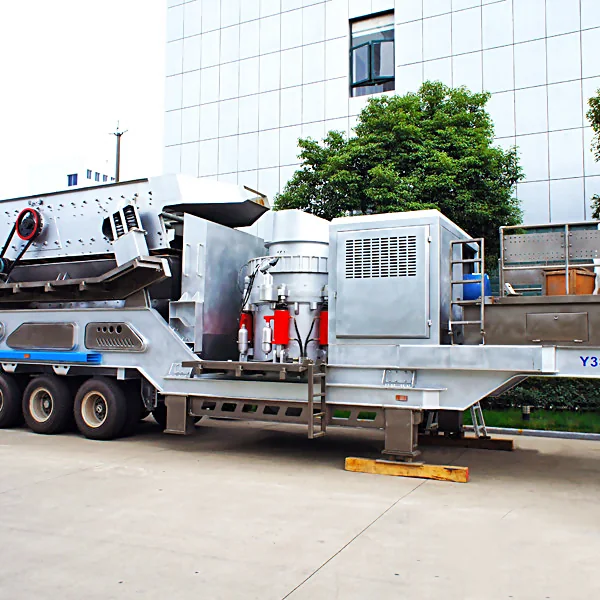
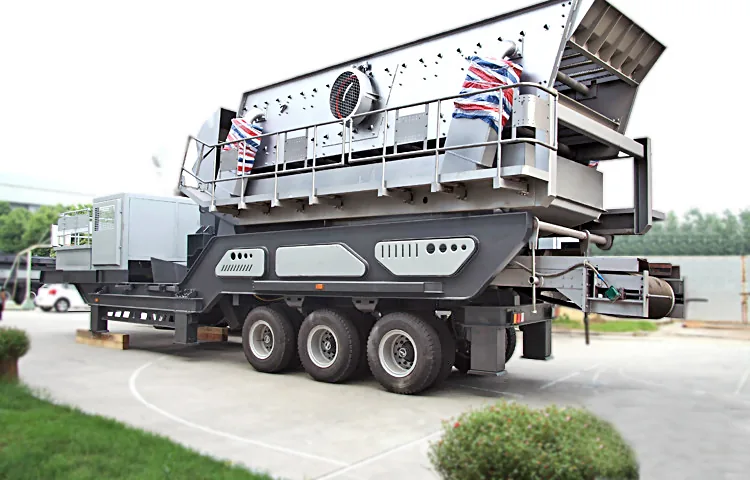
Jaw Crusher Module
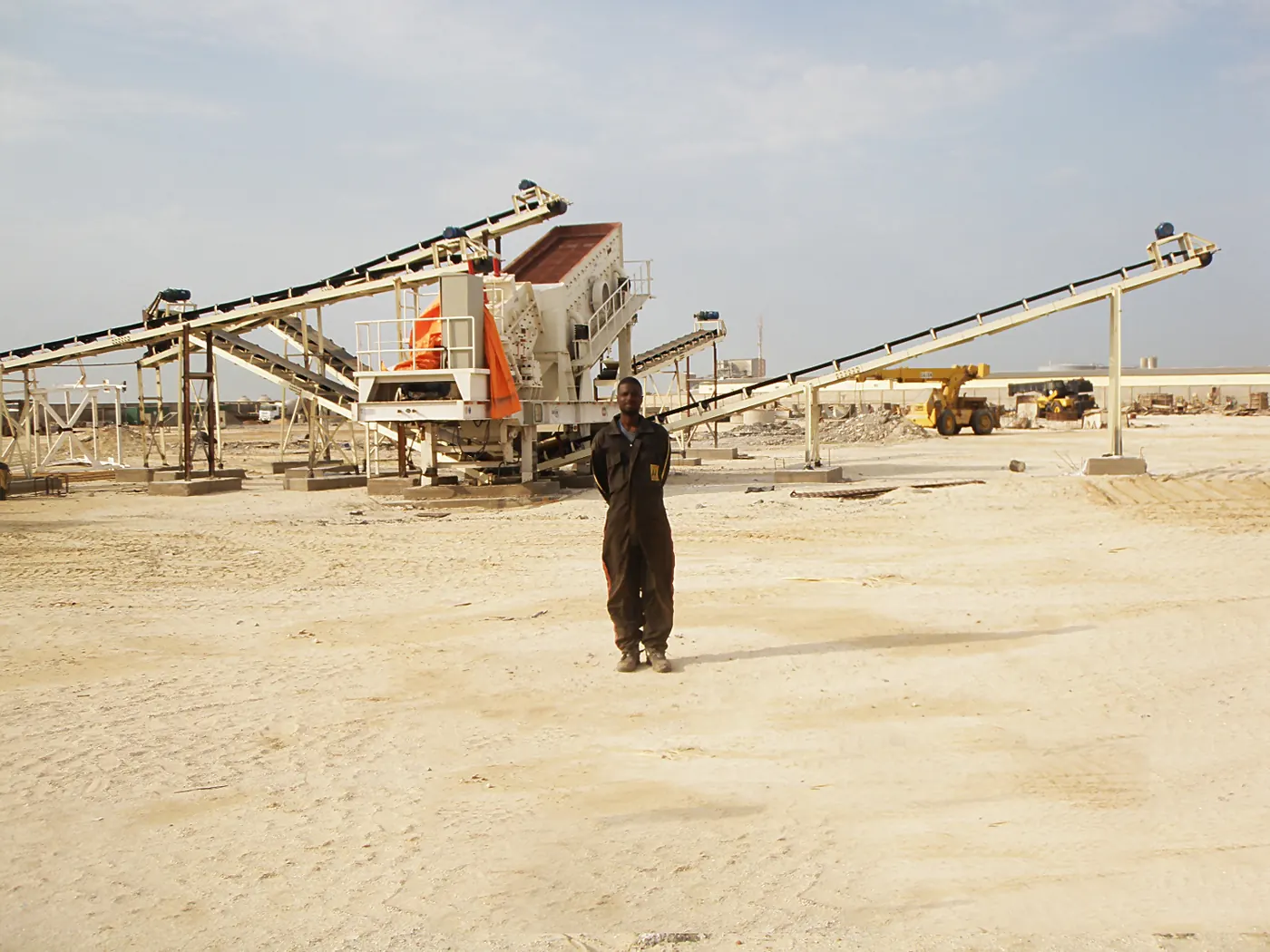
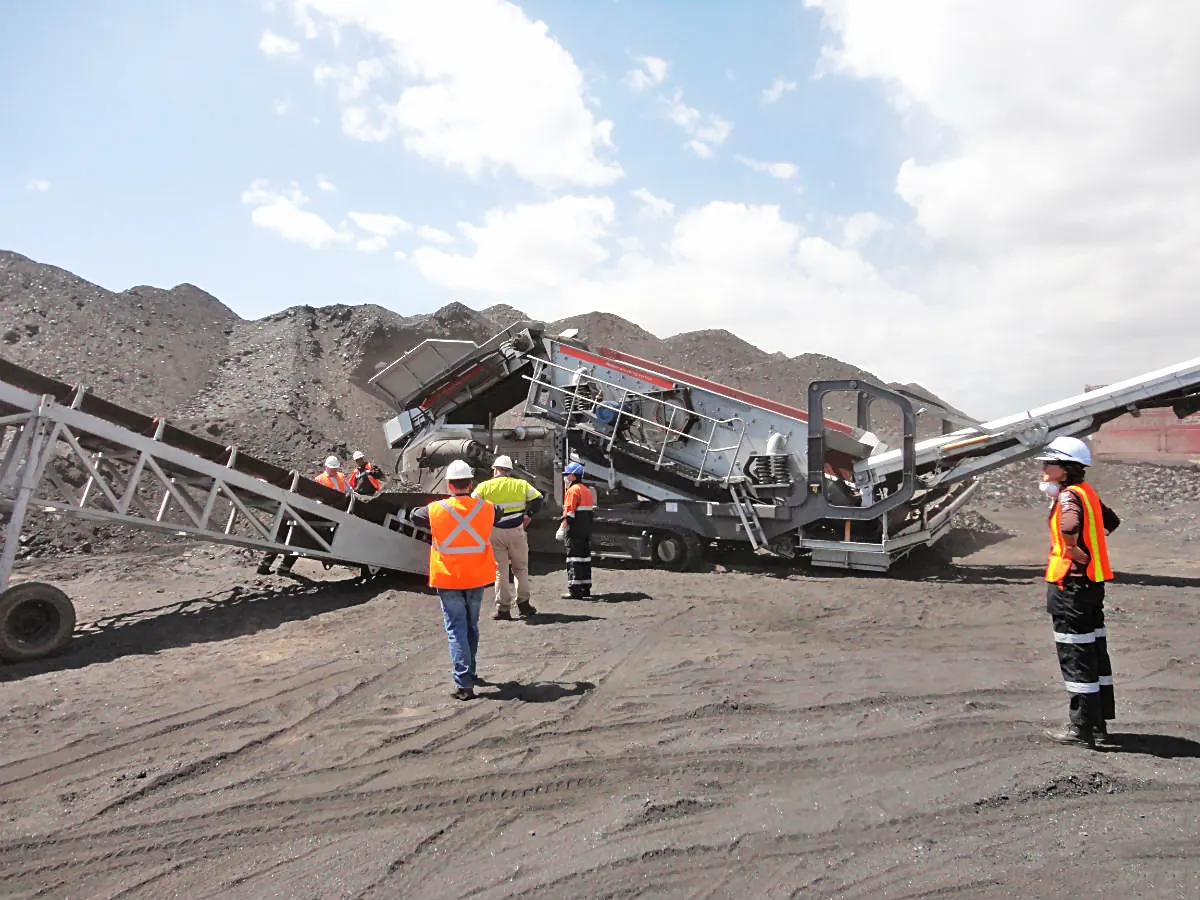
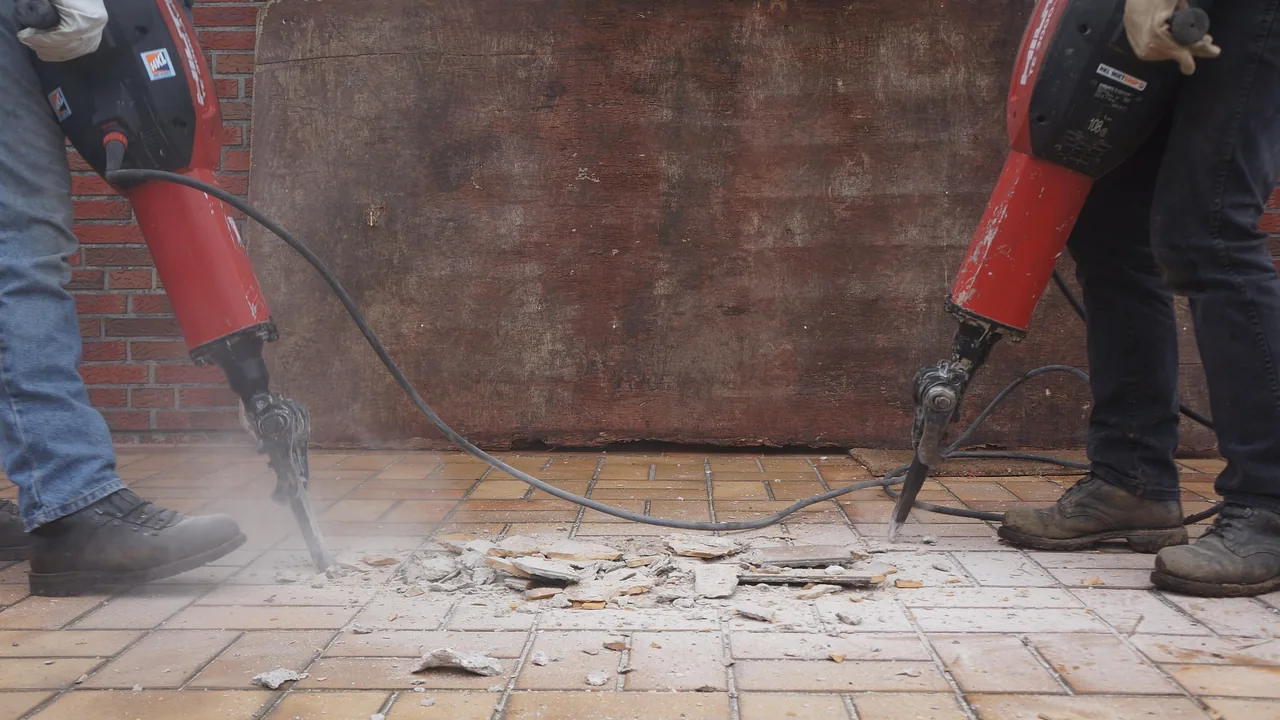
Compression crushing for hard and abrasive rock. Takes large boulders and blasted ore straight from the bench and reduces them for the secondary stage.
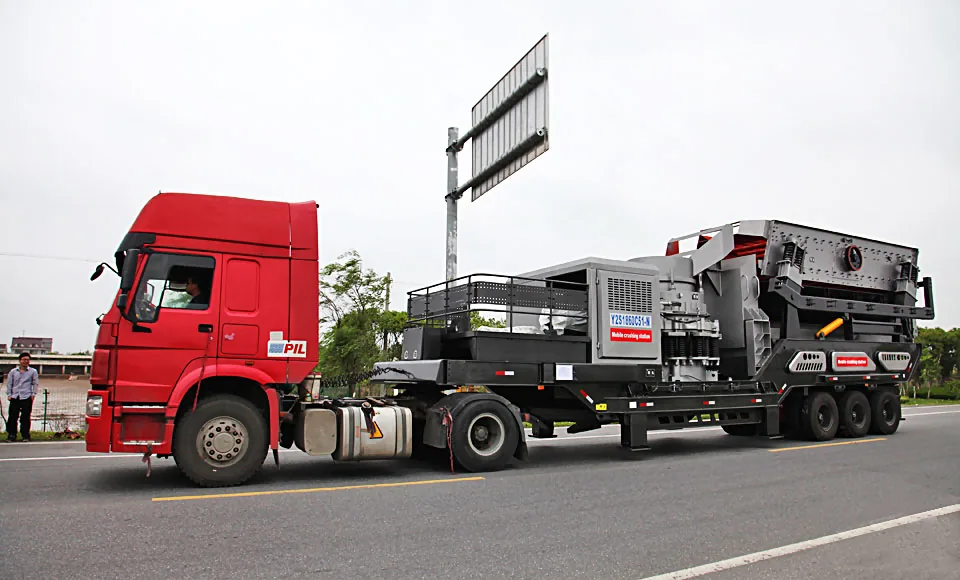
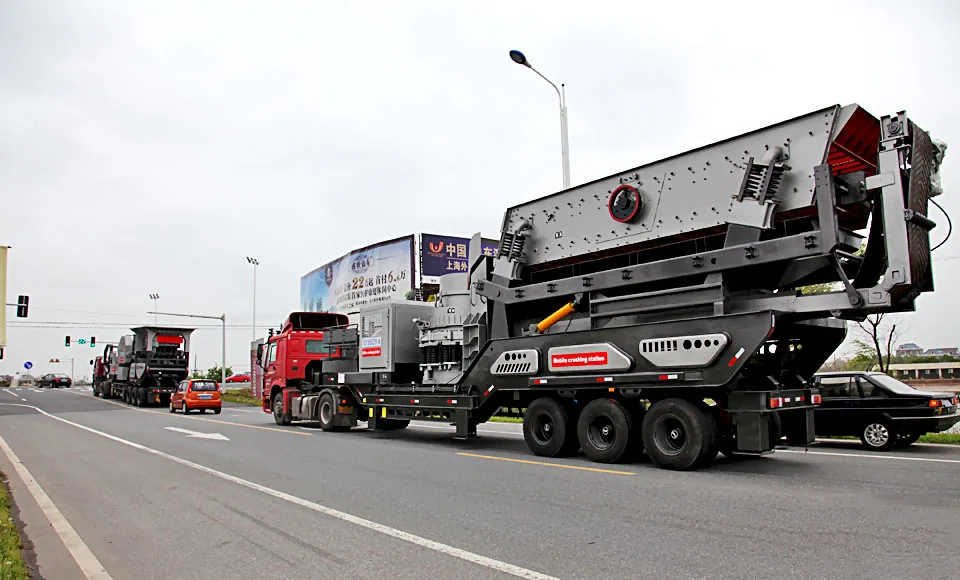
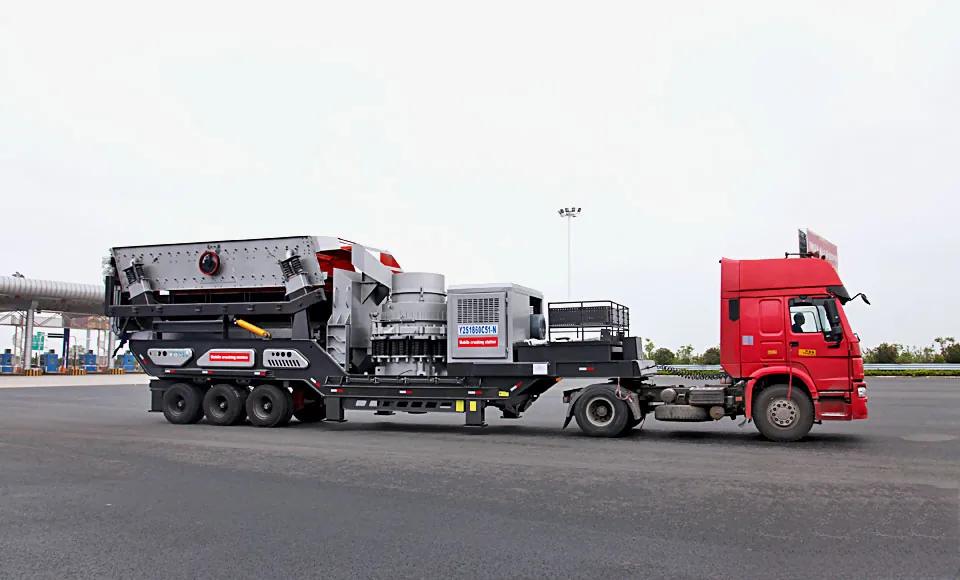
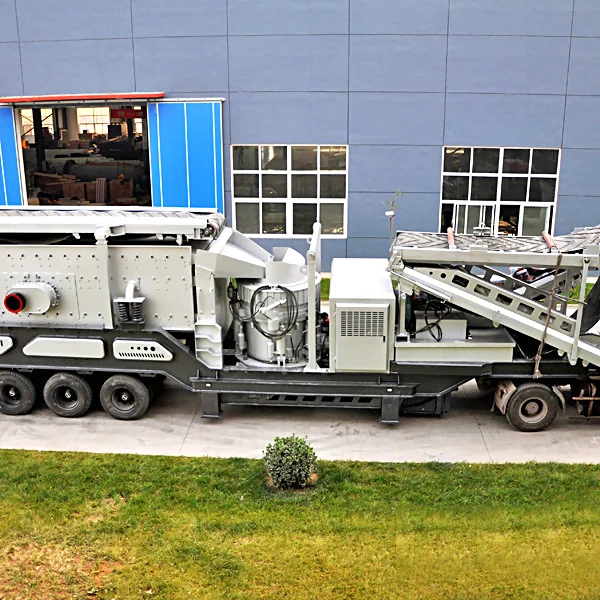
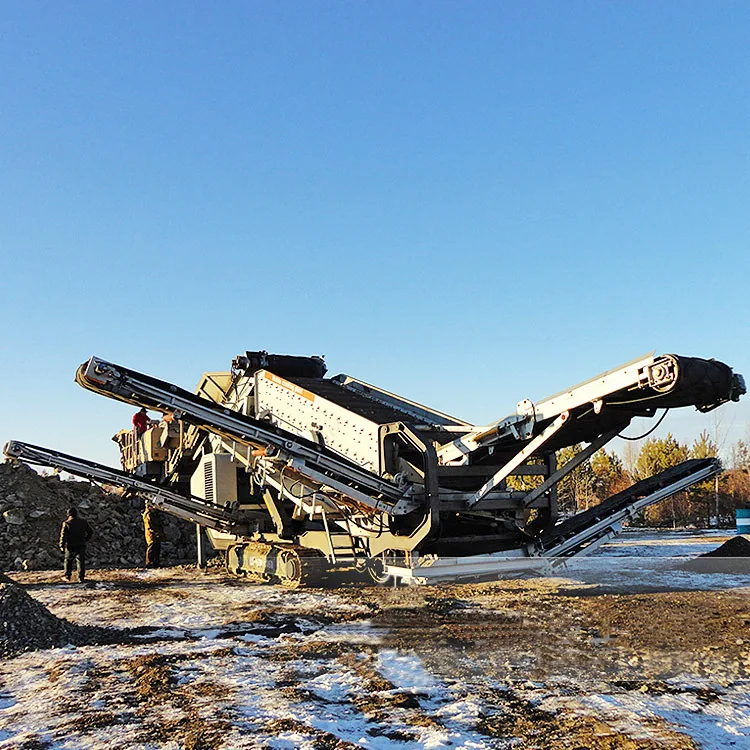
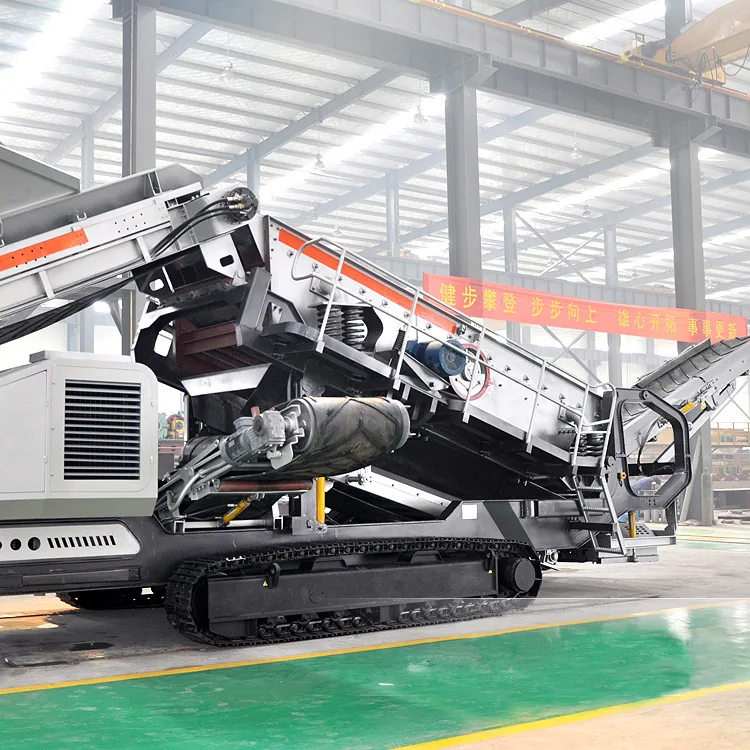
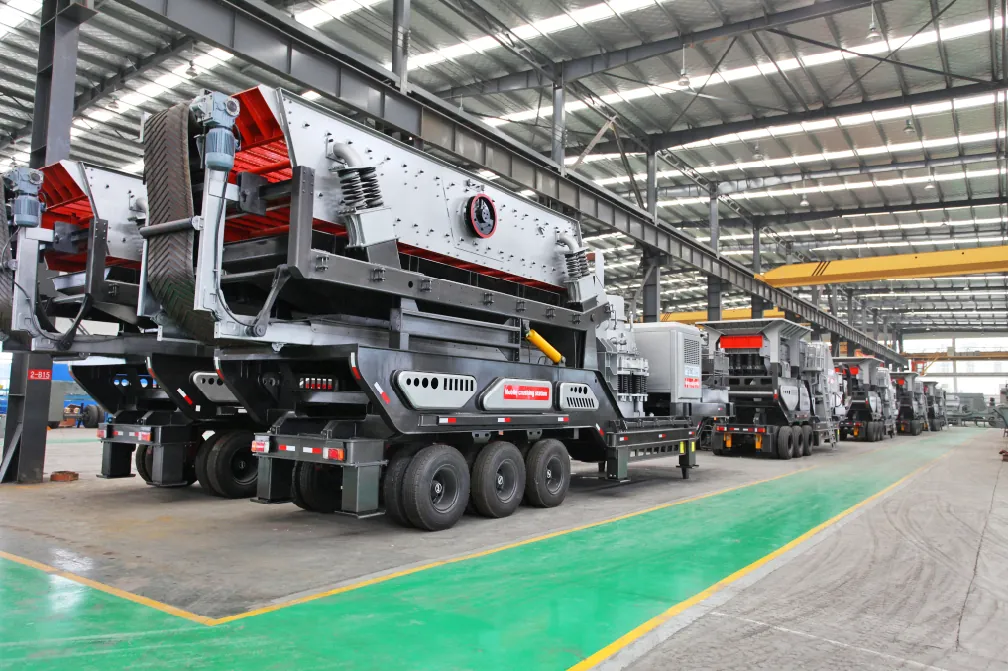
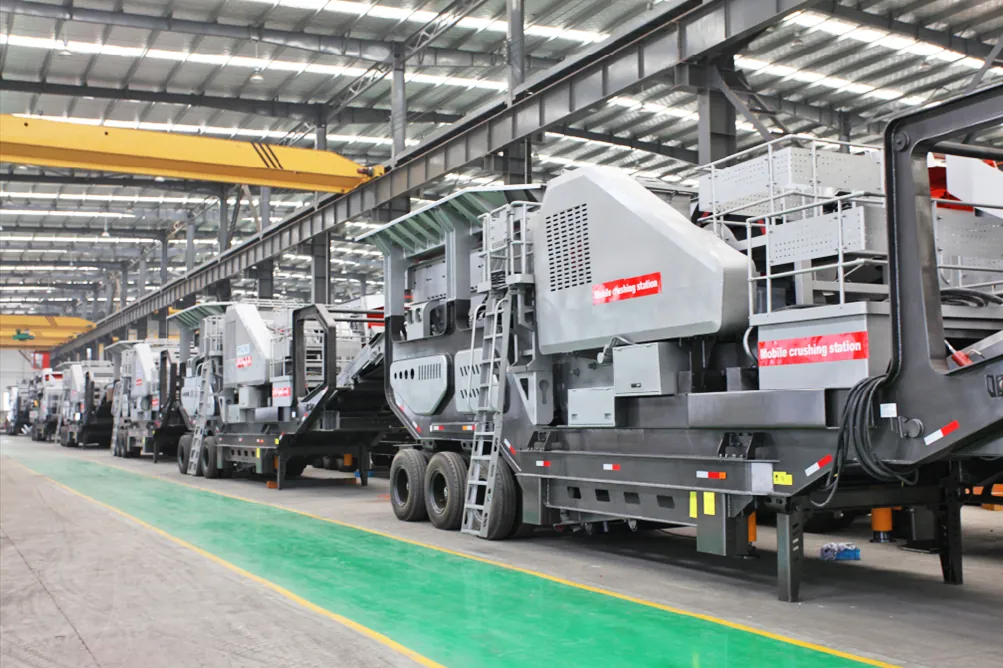
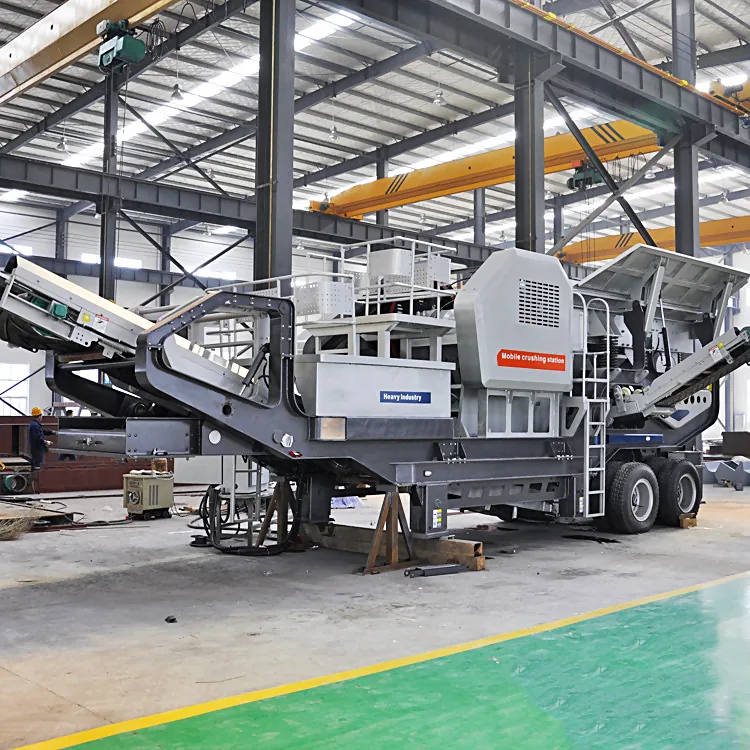
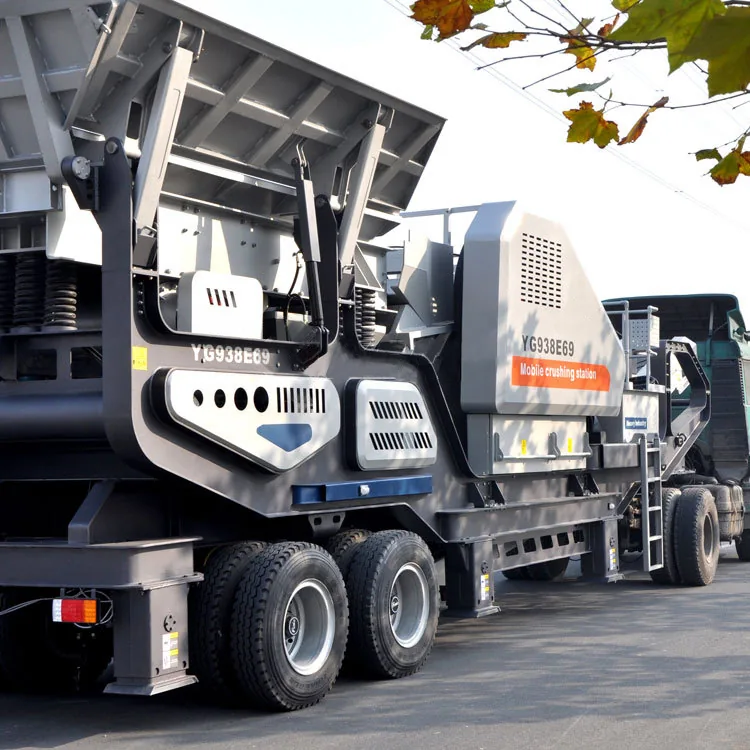
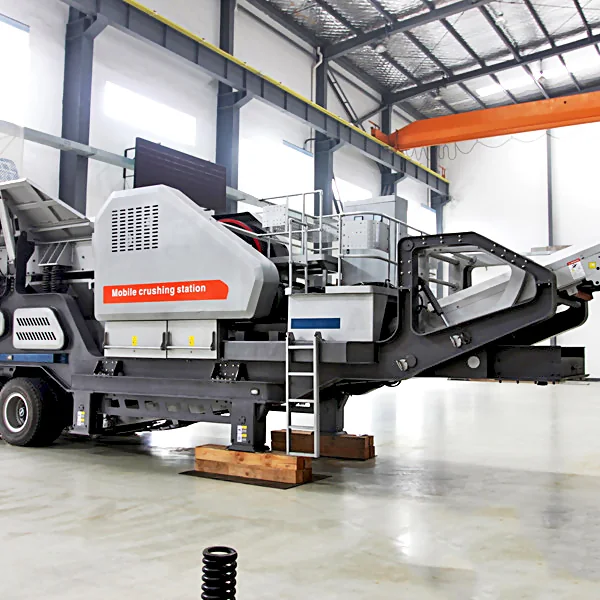
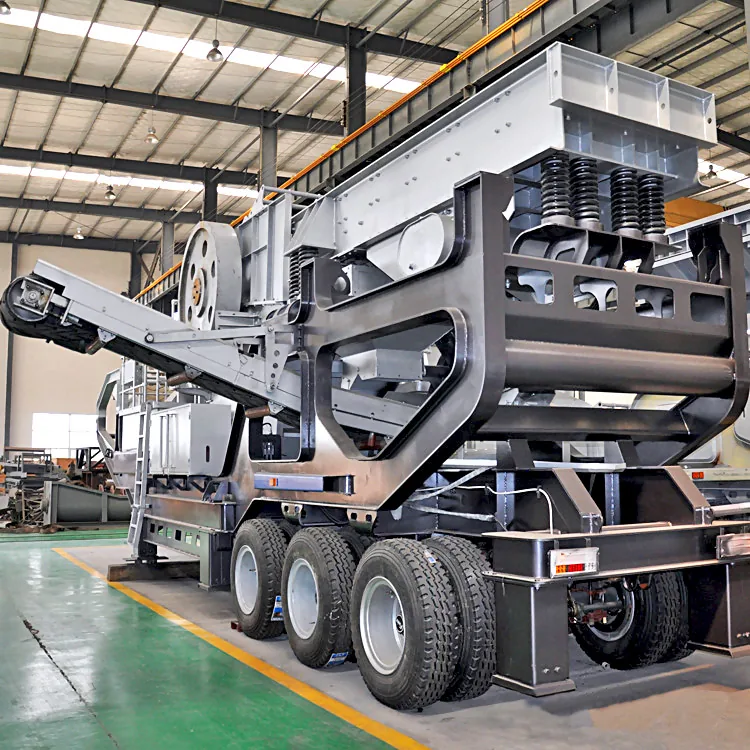
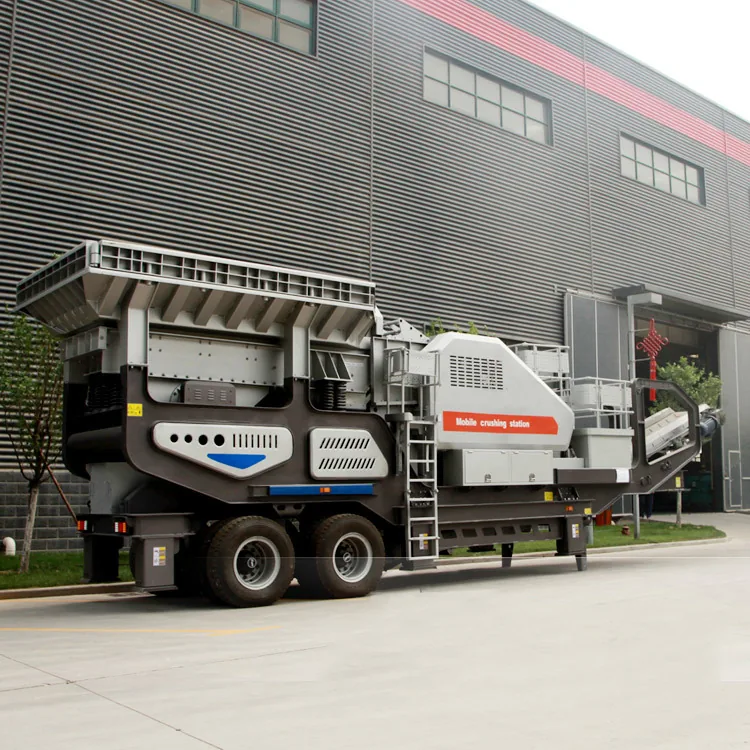
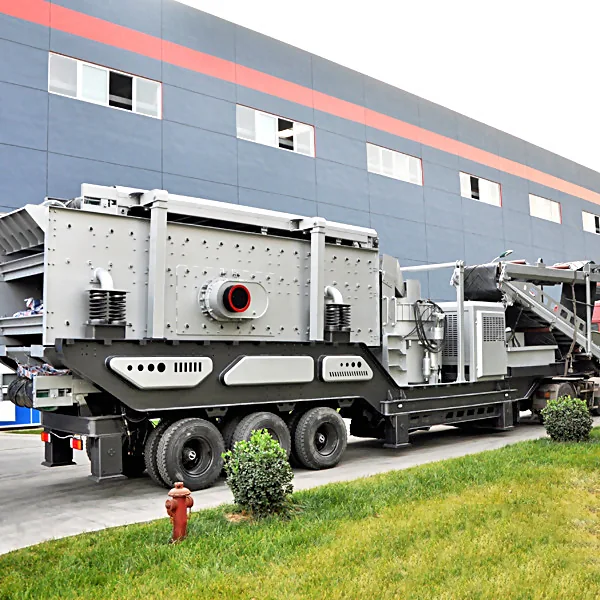
Cronus builds the tire type mobile crushing plant as a complete crushing and screening unit mounted on a semi-trailer tire chassis. Feeding, crushing, screening and conveying are pre-assembled and wired at the factory, so this wheeled portable crushing station arrives on site, sets on its hydraulic outriggers, and starts producing — no concrete foundation, no on-site assembly crew. Every trailer mobile crushing plant we ship leaves the factory assembled, wired and test-run.
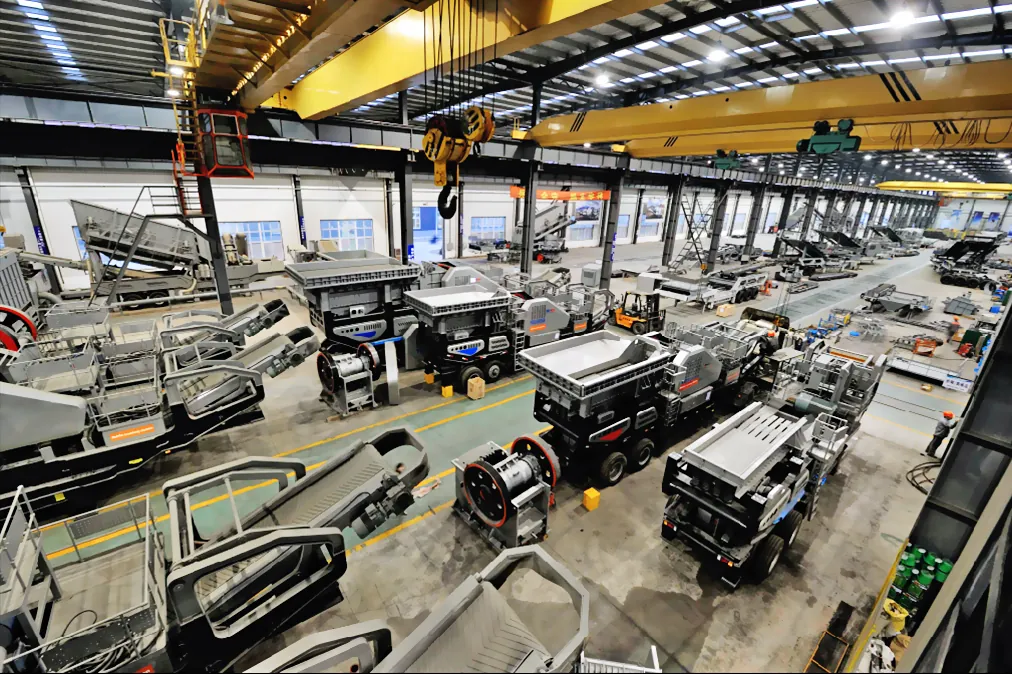
Shanghai Cronus Machinery Co., Ltd. is a wholly-owned subsidiary of Guilin Mining Machinery Co., Ltd. (formerly Guilin Mining Machinery Factory, founded in 1973). With more than five decades of equipment building behind us, we serve international customers with crushing, grinding, screening and powder-processing plants — engineered, cast, machined and assembled largely in-house — including every tire mounted mobile crusher shown on this page.
Our parent company is a backbone enterprise of the Guangxi machinery industry and one of the two manufacturers of grinding equipment originally designated by the former Ministry of Machinery and Electronics. In 2013 the enterprise was restructured from state-owned to private ownership, and in 2019 it relocated as a whole to the Guilin High-speed Railway Economic Industrial Park — a modernised production base for large crushing and grinding equipment.
Cronus itself focuses on the international market: vertical roller mills, superfine ring roller mills, Raymond mills, hydrated lime production lines, classifiers, crushers, sand-making machines and the complete range of tire type mobile crushing plants and trailer mobile crushing plant units presented on this page.
Machinery safety, guarding, emergency stops and electrical panels built to EU conformity requirements.
Documented process control from incoming steel plate inspection to final test-run before shipment.
Nationally recognised high-technology enterprise status with a dedicated crushing R&D institute.
Patents covering crushing chamber profiling, hydraulic folding frames and dust-suppression design.
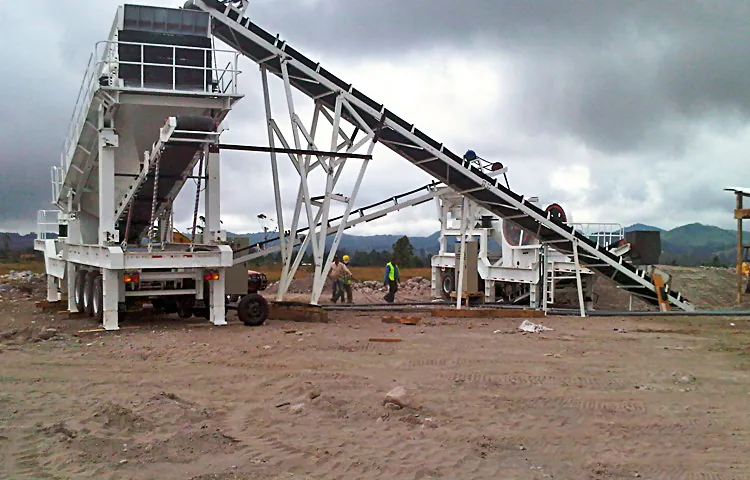
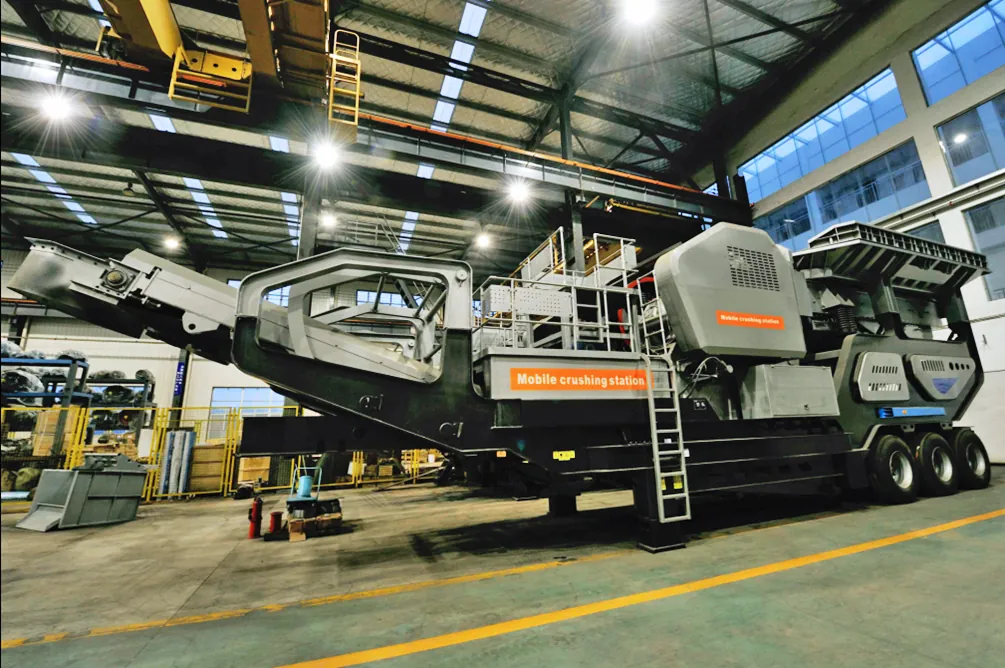
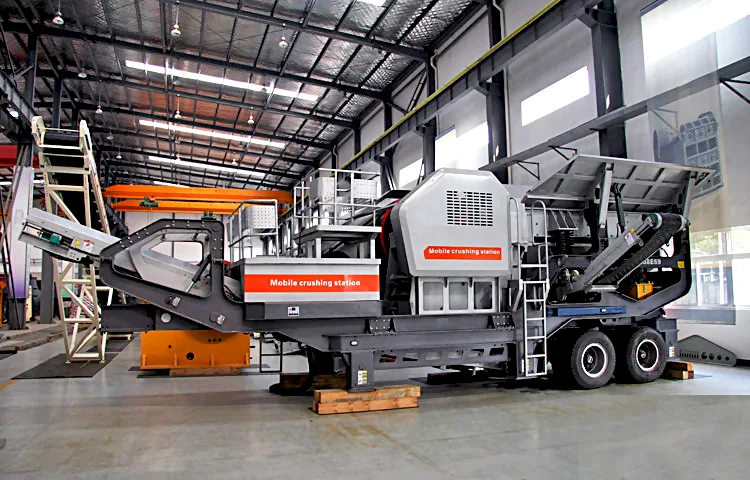
A tire type mobile crushing plant — also called a wheeled portable crushing station, trailer mobile crushing plant or simply a tire mounted mobile crusher — is a complete crushing and screening circuit permanently mounted on a road-legal semi-trailer chassis. It is towed between sites by a standard tractor truck, steadied on site by hydraulic outriggers, and requires no poured concrete foundation.
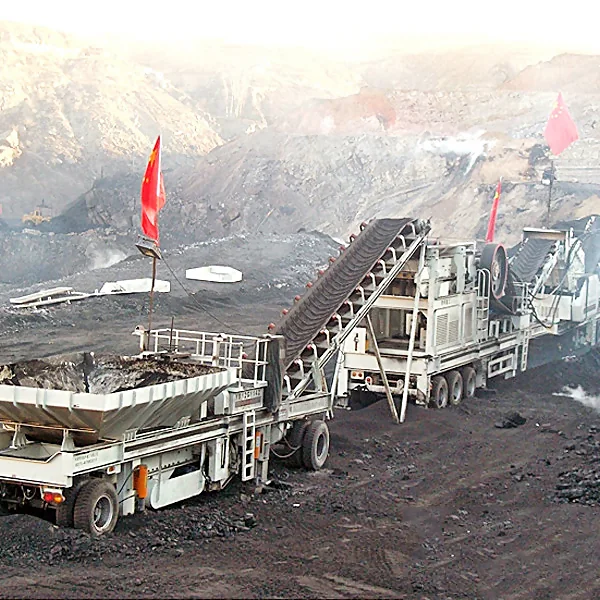
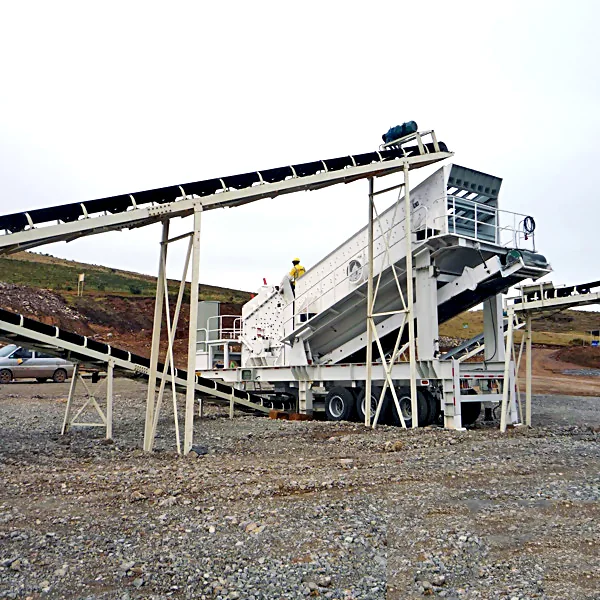
Everything needed for the first stage of size reduction travels on the trailer: vibrating feeder and hopper, the crusher itself, the discharge belt, optionally a multi-deck vibrating screen with return conveyor, the power unit (diesel-generator set or grid-electric motor drive) and a centralised control cabinet. Because the wiring, pipework and guarding are completed in the factory, commissioning on site is a matter of levelling the chassis, unfolding the conveyors and running a test batch. In practice, a tire mounted mobile crusher of this type can be discharging saleable aggregate the same day it arrives.
For operations that move — quarry benches that advance, urban demolition plots that last a few months, road-building contracts that follow the alignment — a tire mounted mobile crusher removes the civil works, the crane time and the weeks of assembly that a fixed plant demands. When the job finishes, the equipment retains strong resale value and can be moved to the next contract.
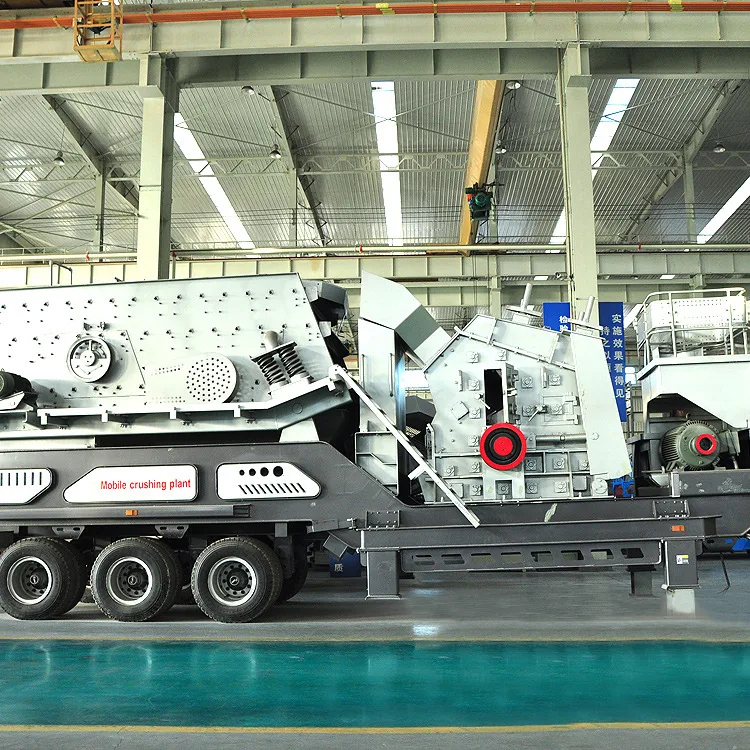
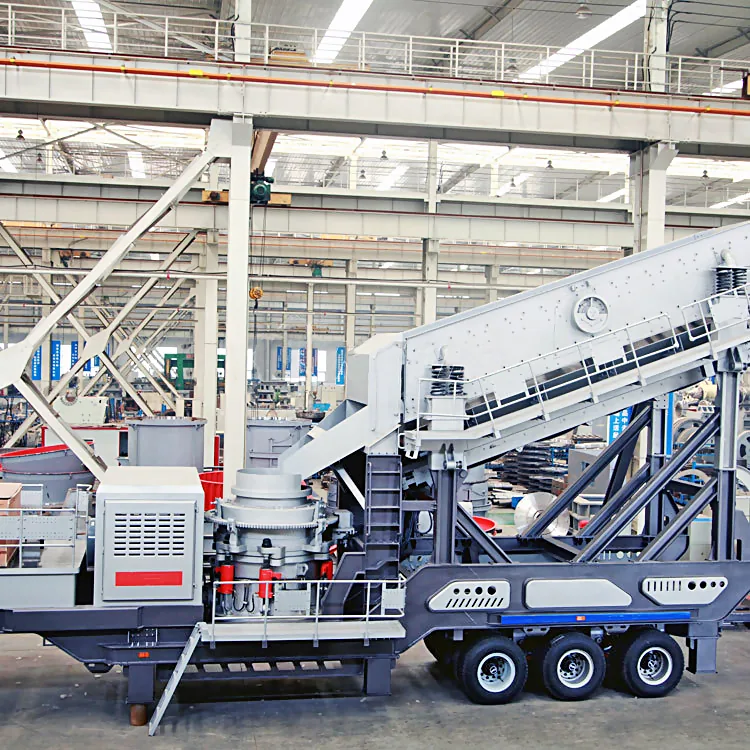
The same wheeled chassis accepts different host machines. Swap the module to match the material hardness and the product specification required.
Primary
Compression crushing for hard and abrasive rock. Takes large boulders and blasted ore straight from the bench and reduces them for the secondary stage.
Secondary
Laminated crushing between mantle and concave. Selected where the feed is hard, abrasive or silica-rich and a well-shaped cubic product is required.
Secondary
Impact crushing delivers excellent cubical shape for aggregate specification and concrete recycling applications. Ideal for limestone and demolition concrete.
Screening
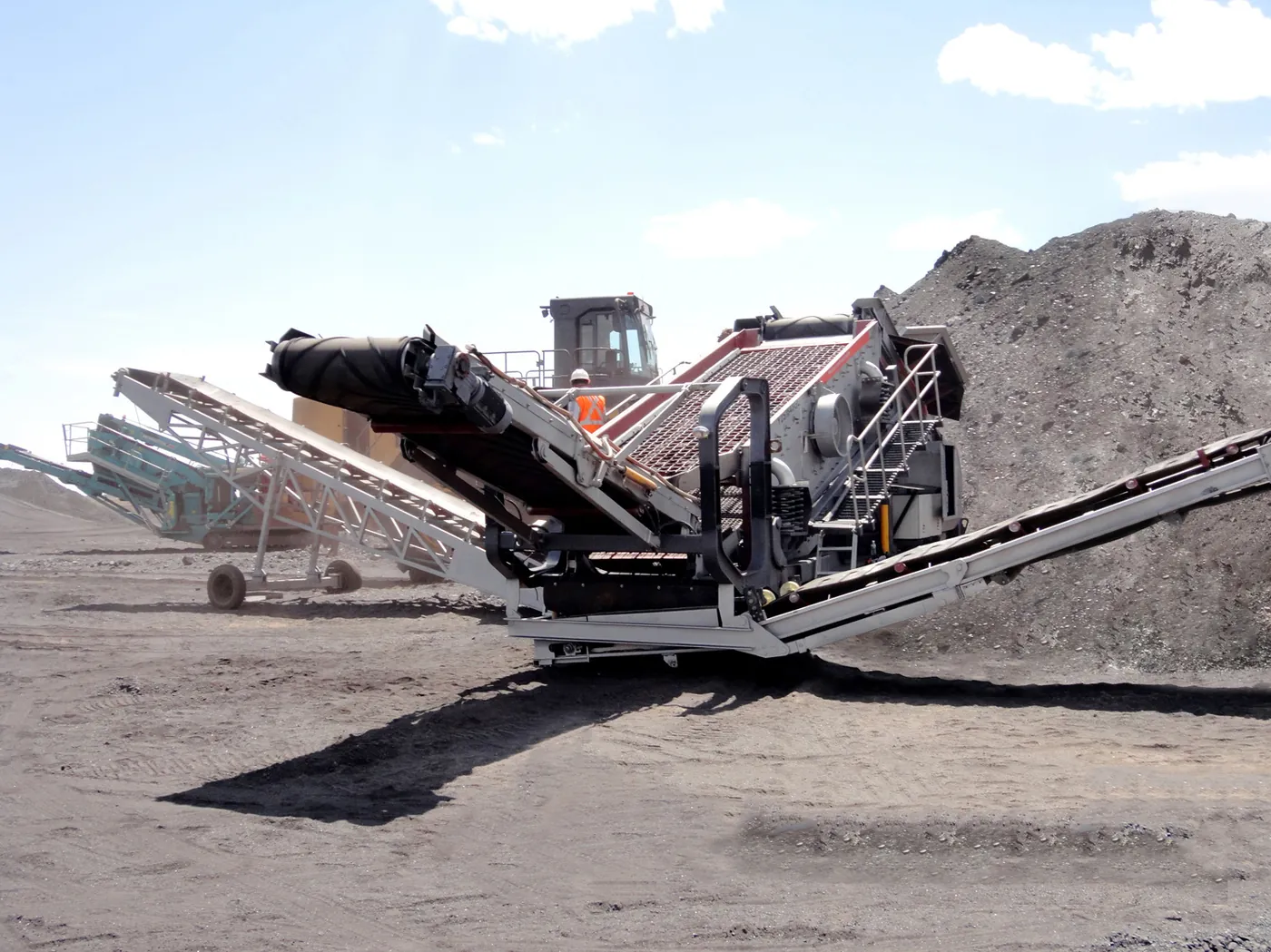
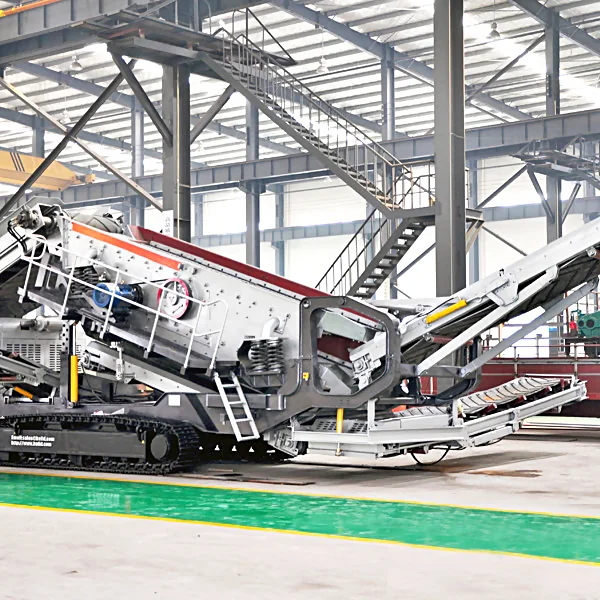
Two or three-deck inclined screen module that can be run standalone behind any primary unit, or combined with a return conveyor for closed-circuit operation.
Sand Making
Vertical shaft impact module converts 0–40 mm feed into manufactured sand and reshapes crushed aggregate to meet concrete and asphalt specifications.
Combined
Fully self-contained units carrying feeder, primary crusher, secondary crusher and screen together — one trailer that produces finished graded aggregate on its own.
Whether it is configured with a jaw, cone or impact host, every Cronus trailer mobile crushing plant follows the same material path. Understanding this path helps you size a wheeled portable crushing station correctly and choose where to place the screening return loop.
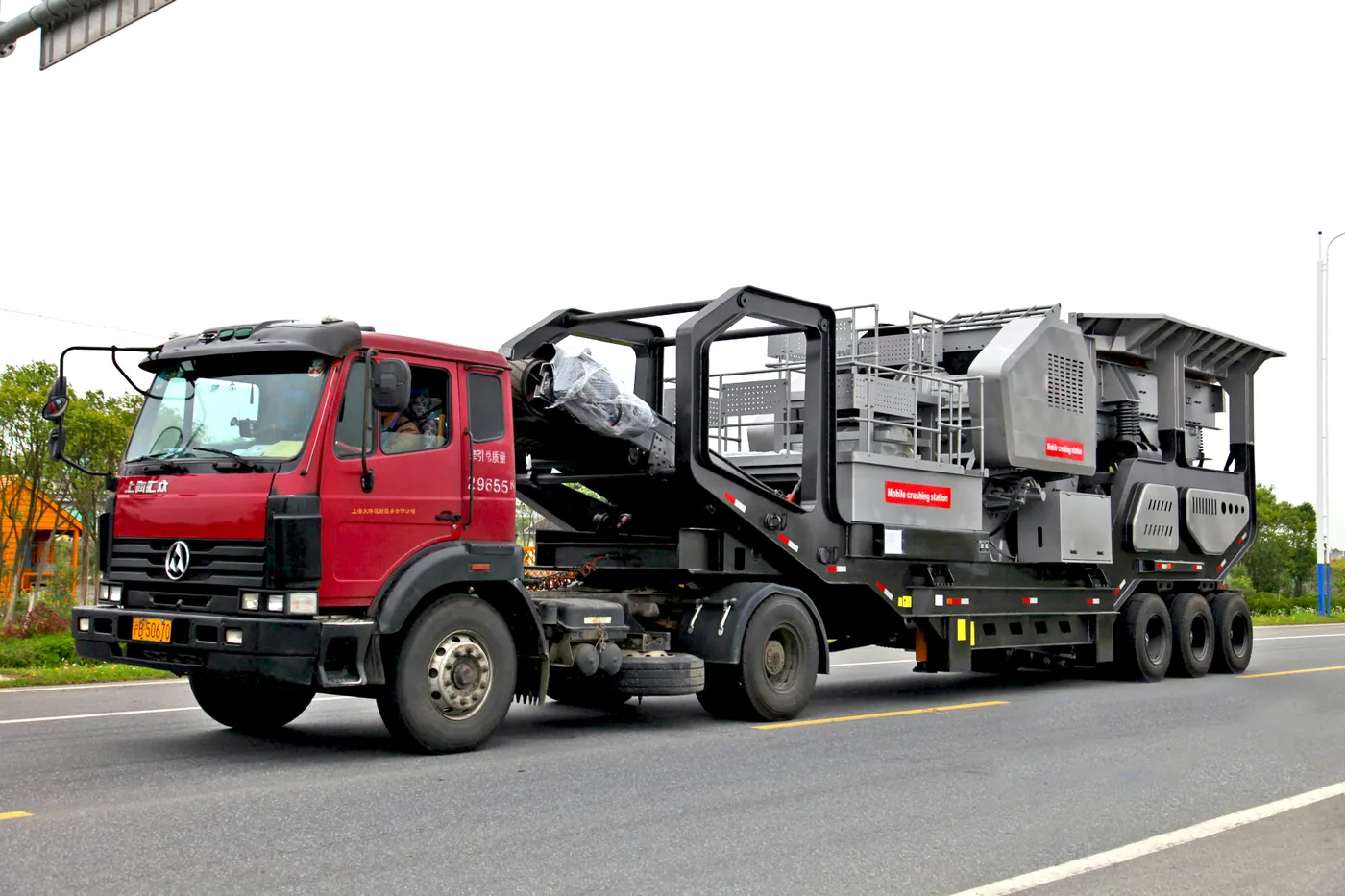
A tractor truck tows this trailer mobile crushing plant on public roads. On site the operator extends the hydraulic outriggers, levels the chassis and sets working clearance.
Hydraulic cylinders raise the frame off the axles, the discharge and side conveyors unfold, and the hopper walls are raised — typically within a couple of hours.
On this wheeled portable crushing station, a vibrating feeder draws material from the hopper at a controlled rate. Grizzly bars remove fines and soil before the crusher, raising effective capacity.
Inside the tire mounted mobile crusher, material enters the crushing chamber where compression (jaw, cone) or impact (impact crusher, VSI) reduces it. Discharge setting is adjusted hydraulically.
Crushed material leaves on the main belt to a stockpile. Where fitted, an oversize return belt carries rejects back for further reduction.
This tire type mobile crushing plant can be understood as eight functional systems sharing one chassis. Each is independently serviceable, which is what makes field repair practical on this class of equipment.
Running soil and already-sized fines through the crusher wastes energy and accelerates liner wear. That is why every Cronus tire mounted mobile crusher uses a grizzly-equipped feeder: material smaller than the grizzly gap bypasses the chamber and joins the discharge belt directly, which measurably increases the throughput of the size fraction you actually sell.
These are the design decisions that determine whether a wheeled portable crushing station earns money on a contract site — or spends its time being repaired. They apply to every tire type mobile crushing plant and trailer mobile crushing plant we build. They apply equally to a single tire type mobile crushing plant and to a multi-unit trailer mobile crushing plant line.
The hydraulic system handles installation, lifting, erection, transport, retraction and folding of the conveyors. One operator controls every motion from a single station — no crane, no rigging crew, no assembly sequencing on site.
Continuous lifting lugs, an operator platform, an onboard tool kit and centralised lubrication points mean routine maintenance can be completed from ground level. Servicing a tire type mobile crushing plant should never require dismantling half the machine — and every service point on this wheeled portable crushing station is reachable from ground level.
Compared with a fixed line, the engineering period is shorter and relocation follows the job. It avoids the demolition and rebuilding work after a project ends, and the equipment retains strong residual value for resale or redeployment on the next contract.
The generalised structural layout allows the host machine to be swapped directly while the trailer stays in service. When you need more capacity, change the crusher rather than the whole trailer mobile crushing plant. The same chassis logic applies whether you run a jaw, cone or impact host. This also helps in remote regions by keeping transport dimensions manageable.
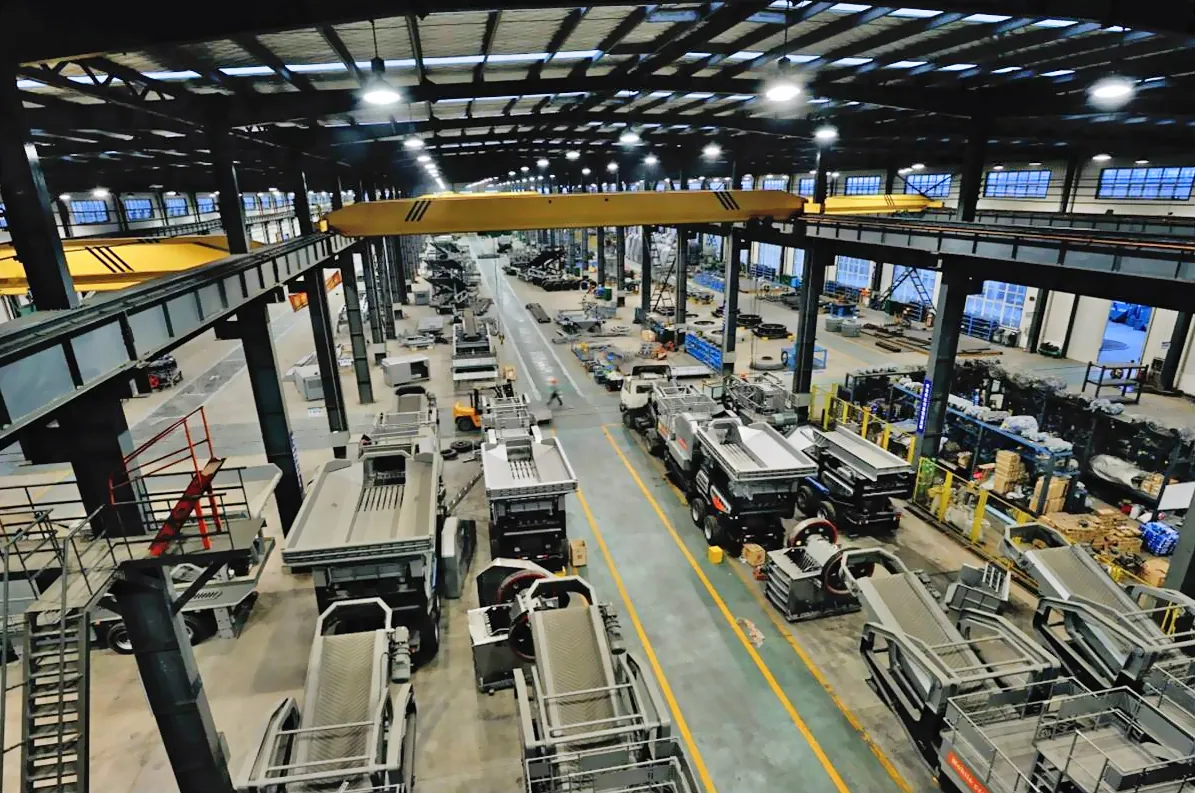
Dozens of CNC lines handle steel plate cutting, bending, planing, milling and paint application. Numerical control over these operations keeps machining accuracy high, especially for core components where tolerances decide service life.
Cronus both manufactures and sells, and we stand behind every machine we build. Original spare parts and technical service for the whole service life are supplied from our own stock, supported by our in-house foundry for wear parts.
Standard tractor tows the unit on public roads; no low-loader or special permit needed for most models.
Diesel generator set for grid-free sites, or electric motor drive where mains power is available and cheaper.
Hydraulic release returns the chamber after uncrushable material passes, protecting the main shaft and frame.
Export documentation, installation guidance and remote commissioning support for international buyers.
The Cronus tire type mobile crushing plant range offers seven series covering primary crushing, secondary and tertiary crushing with screening, standalone screening, sand making and shaping, fine crushing with sand washing, plus three-in-one and four-in-one combined units. Input size 0–930 mm and capacity 0–650 t/h are quoted for coarse crushing configurations. Every tire mounted mobile crusher below shares the same semi-trailer concept.
| Model | Feeding equipment | Crushing equipment | Main belt conveyor | Hopper volume (m³) | Max feeding size (mm) | Transport dimensions (mm) |
|---|---|---|---|---|---|---|
| CRMC-J600 | VF-0936 | PE-600×900 | B800×8.3 m | 5.3 | 500 | 12150×2600×3950 |
| CRMC-J750 | VF-1139 | PE-750×1060 | B1000×8.5 m | 7 | 630 | 13000×2850×4400 |
| CRMC-J760 | VF-1139 | EJ-760 | B1000×8.5 m | 7 | 640 | 13000×2800×4200 |
| CRMC-J860 | VF-1345 | EJ-860 | B1200×9.5 m | 8 | 720 | 14600×3000×4500 |
| CRMC-J1100 | VF-1548 | EJ-1100 | B1400×9.5 m | 11 | 930 | 14050×2900×4000 |
| CRMC-JE98 | VF-1139 | EJ-98 | B800×8.3 m | 5.9 | 560 | 12150×2600×3950 |
| CRMC-JE110 | VF-1345 | EJ-110 | B1000×8.5 m | 8.5 | 660 | 13200×3000×4400 |
| CRMC-JE125 | VF-1345 | EJ-125 | B1400×9.5 m | 8 | 800 | 14600×3000×4500 |
| CRMC-I1214 | VF-0936 | PF-1214Ⅱ | B800×8.3 m | 5.3 | 500 | 12150×2600×3980 |
| CRMC-I1315 | VF-1345 | PF-1315Ⅱ | B1200×9.5 m | 8 | 600 | 14600×3100×4500 |
| CRMC-I1415 | VF-1548 | PF-1415Ⅱ | B1200×9.5 m | 11 | 700 | 14050×3000×4000 |
Capacity figures for this tire type mobile crushing plant are based on medium-hard limestone. Feed size, moisture content and material characteristics will influence actual throughput. Transport dimensions apply with conveyors folded; a wheeled portable crushing station of this size remains within normal road limits once prepared.
| Model | Screening equipment | Crushing equipment | Belt conveyor below screen | Max feeding size (mm) | Transport dimensions (mm) |
|---|---|---|---|---|---|
| CRMC-C75 | 3YK1848 | CS-75B | B800×7.5 m | 150 | 12600×3000×4500 |
| CRMC-C160 | 3YK1860 | CS-160B | B800×8.5 m | 205 | 13800×3000×4500 |
| CRMC-T100 | 3YK1848 | HSC-100 | B800×7.5 m | 135 | 12600×3000×4500 |
| CRMC-T160 | 3YK1860 | HSC-160 | B800×8.5 m | 185 | 13800×3000×4500 |
| CRMC-T250 | 3YK1860 | HSC-250 | B800×8.5 m | 215 | 13800×3000×4500 |
| CRMC-H300 | 3YK1860 | HMC-300 | B800×8.5 m | 210 | 13800×3000×4500 |
| CRMC-M1214 | 3YK1860 | PF-1214Ⅲ | B800×8.5 m | 250 | 13800×3000×4500 |
| CRMC-M1315 | 3YK2160 | PF-1315Ⅲ | B1000×8.5 m | 300 | 13800×3150×4500 |
| CRMC-M1318 | 3YK2160 | PF-1318Ⅲ | B1000×8.5 m | 300 | 13800×3150×4500 |
| CRMC-S1848 | 3YK1848 | — | B800×7.5 m | — | 12590×3000×4500 |
| CRMC-S1860 | 3YK1860 | — | B800×8.5 m | — | 13800×3000×4500 |
| CRMC-S2160 | 3YK2160 | — | B1000×8.5 m | — | 13800×3150×4200 |
Models marked “—” in the crushing column are standalone screening stations used behind any primary tire mounted mobile crusher. HSC = single-cylinder hydraulic cone; HMC = multi-cylinder hydraulic cone.
| Model | Screening equipment | Crushing equipment | Belt conveyor below screen | Hopper volume (m³) | Max feeding size (mm) | Transport dimensions (mm) |
|---|---|---|---|---|---|---|
| CRMC-C75D | 3YK1848 | CS-75B | B800×7.5 m | 7.2 | 150 | 16850×3000×4500 |
| CRMC-C160D | 3YK1860 | CS-160B | B800×8.5 m | 7.2 | 205 | 16850×3000×4500 |
| CRMC-T100D | 3YK1848 | HSC-100 | B800×7.5 m | 7.2 | 135 | 16850×3000×4500 |
| CRMC-T160D | 3YK1860 | HSC-160 | B800×8.5 m | 7.2 | 185 | 16850×3000×4500 |
| CRMC-T250D | 3YK1860 | HSC-250 | B800×8.5 m | 8 | 215 | 16850×3000×4500 |
| CRMC-H300D | 3YK1860 | HMC-300 | B800×8.5 m | 8 | 210 | 16850×3000×4500 |
| CRMC-M1214D | 3YK1860 | PF-1214Ⅲ | B800×8.5 m | 7.2 | 250 | 16120×3000×4500 |
| CRMC-M1315D | 3YK2160 | PF-1315Ⅲ | B1000×8.5 m | 8 | 300 | 16120×3150×4500 |
| CRMC-M1318D | 3YK2160 | PF-1318Ⅲ | B1000×8.5 m | 8 | 300 | 16120×3150×4500 |
| CRMC-S1848D | 3YK1848 | — | B800×7.5 m | 7.2 | — | 16910×3000×4500 |
| CRMC-S1860D | 3YK1860 | — | B800×8.5 m | 7.2 | — | 16910×3000×4500 |
| CRMC-S2160D | 3YK2160 | — | B1000×8.5 m | 8 | — | 16910×3150×4500 |
Combined units carry their own feed hopper, so they can operate as a complete circuit without a separate primary station.
| Model | Screening equipment | Crushing equipment | Belt conveyor below screen | Max feeding size (mm) | Transport dimensions (mm) |
|---|---|---|---|---|---|
| CRMC-V8518 | 3YK1848 | VSI-8518 | B800×7.5 m | 40 | 14200×3000×4500 |
| CRMC-V8522 | 3YK1860 | VSI-8522 | B800×8.5 m | 40 | 14200×3000×4500 |
| CRMC-V9526 | 3YK1860 | VSI-9526 | B800×8.5 m | 45 | 14200×3000×4500 |
| CRMC-V9532 | 3YK1860 | VSI-9532 | B800×8.5 m | 45 | 14200×3000×4500 |
Vertical shaft impact host converts 0–40/45 mm feed into manufactured sand and reshapes crushed aggregate for concrete and asphalt specifications.
| Model | Screening equipment | Sand washing machine | Crushing equipment | Max feeding size (mm) | Transport dimensions (mm) |
|---|---|---|---|---|---|
| CRMC-V8518X | 3YK1848 | XS-915 | VSI-8518 | 40 | 13700×2950×4500 |
| CRMC-V8522X | 3YK1860 | 2XS-915 | VSI-8522 | 40 | 13700×3000×4500 |
| CRMC-V9526X | 3YK1860 | 2XS-915 | VSI-9526 | 45 | 13700×3000×4500 |
| CRMC-V9532X | 3YK1860 | 2XS-915 | VSI-9532 | 45 | 13700×3000×4500 |
| CRMC-C75X | 3YK1848 | XS-915 | CS-75B | 150 | 13700×3000×4500 |
| CRMC-C160X | 3YK1860 | XS-915 | CS-160B | 205 | 13700×3000×4500 |
| CRMC-H300X | 3YK1860 | 2XS-915 | HMC-300 | 210 | 13700×3000×4500 |
| CRMC-T250X | 3YK1860 | 2XS-915 | HSC-250 | 215 | 13700×3000×4500 |
For a wheeled portable crushing station built to deliver washed sand: XS = single wheel sand washer; 2XS = twin wheel sand washer. Specify a washing tire mounted mobile crusher where the final sand must meet low silt-content specifications.
| Model | Screening equipment | Feeding equipment | Crushing equipment | Hopper volume (m³) | Max feeding size (mm) | Transport dimensions (mm) |
|---|---|---|---|---|---|---|
| CRMC-3I1214 | 3YK1848 | VF-0936 | PF-1214 | 5.5 | 300 | 16400×2810×4500 |
| CRMC-3I1214E | 3YK1848 | VF-0936 | PF-1214Ⅱ | 5.5 | 500 | 16400×2810×4500 |
| CRMC-3J500 | 3YK1548 | VF-0936 | PE-500×750 | 5.5 | 425 | 16400×2760×4500 |
| CRMC-3J600 | 3YK1848 | VF-0936 | PE-600×900 | 5.5 | 500 | 16400×2760×4500 |
Produces graded product from a single trailer — well suited to remote pits, small quarries and short-term contracts.
| Model | Screening equipment | Feeding equipment | Coarse crushing | Medium crushing | Max feeding size (mm) | Transport dimensions (mm) |
|---|---|---|---|---|---|---|
| CRMC-4J400B900 | 3YK1237 | VF-3500 | PE-400×600 | PYB-900 | 350 | 15150×2800×4500 |
| CRMC-4J400C75 | 3YK1237 | VF-3500 | PE-400×600 | CS-75B | 350 | 15150×2800×4500 |
| CRMC-4J500B900 | 3YK1237 | VF-3500 | PE-500×750 | PYB-900 | 425 | 15150×2800×4500 |
| CRMC-4J500C75 | 3YK1237 | VF-3500 | PE-500×750 | CS-75B | 425 | 15150×2800×4500 |
| CRMC-4J400I1010 | 3YK1237 | VF-3500 | PE-400×600 | PF-1010 | 350 | 15150×2800×4500 |
| CRMC-4J500I1010 | 3YK1237 | VF-3500 | PE-500×750 | PF-1010 | 425 | 15150×2800×4500 |
Two crushing stages plus screening on one chassis — the most compact way to produce multiple sized fractions with a single machine.
Quoted capacities for every tire mounted mobile crusher below assume medium-hard limestone at bulk density around 1.6 t/m³ with continuous, choke-fed operation. Harder, wetter or flakier feed reduces throughput.
Listed dimensions for each trailer mobile crushing plant are in transport condition with conveyors folded. Working dimensions are larger once side and return belts are deployed.
Send us your feed size, target fractions and required tonnage and we will confirm which tire type mobile crushing plant fits — our engineers will return a complete flow sheet and quotation, not just a single machine.
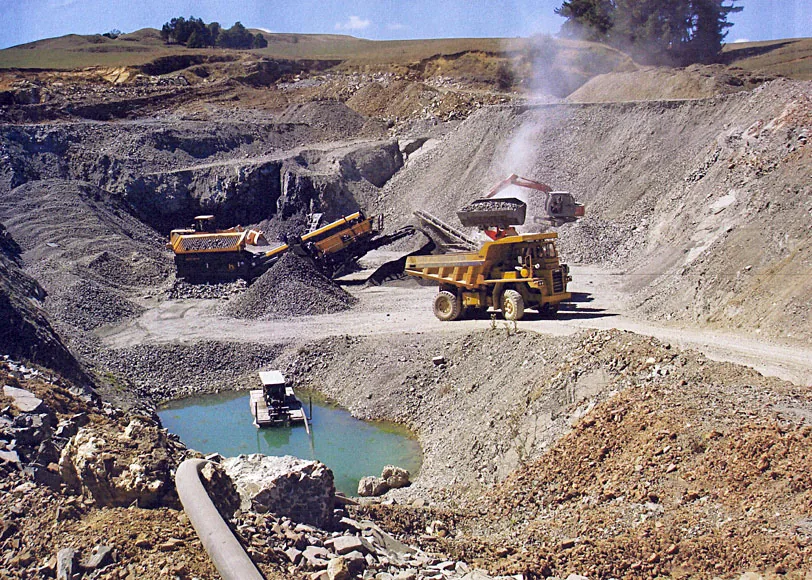
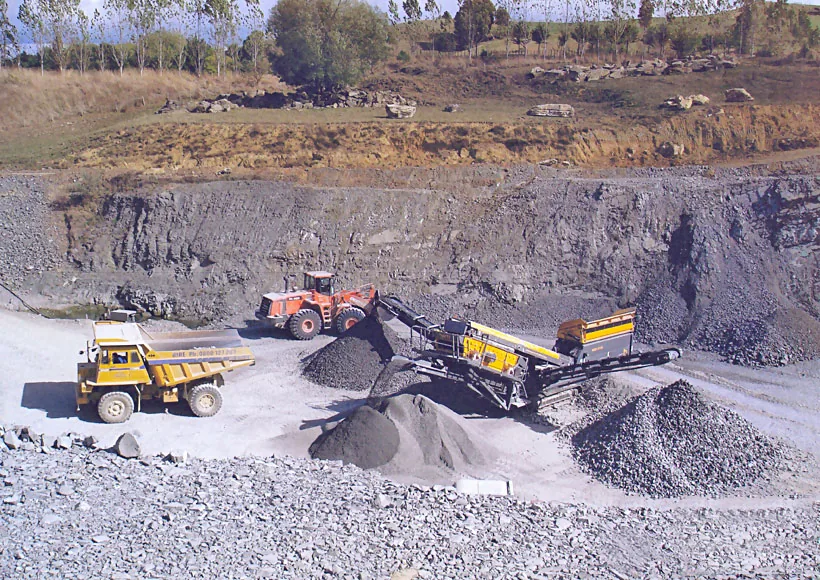
A tire type mobile crushing plant — or trailer mobile crushing plant, as it is also called — is specified wherever the material source moves, the contract is temporary, or the cost of civil works cannot be justified. Below are the sectors and the feed materials this wheeled portable crushing station is configured for.
Primary reduction of blasted rock at the bench, and secondary circuits producing saleable aggregate fractions.
Graded 0–5, 5–10, 10–20 and 20–31.5 mm fractions with controlled flakiness and cubicity.
Concrete, brick and asphalt rubble crushed on the demolition plot and reused as engineered fill or recycled aggregate.
Following the alignment, crushing local stone for sub-base and base course instead of hauling from a distant quarry.
River diversions, dam construction and channel works where aggregate demand is high but temporary.
Ore, flux stone, limestone for desulphurisation and refractory raw materials reduced to furnace or mill feed size.
Feed hardness, silica content and abrasiveness decide whether a tire mounted mobile crusher should carry a jaw, cone or impact host. Here is the practical selection guide for configuring a wheeled portable crushing station to your feed.
The configurations below illustrate how our wheeled portable crushing stations and trailer mobile crushing plant units are combined into working production lines. Capacities are typical engineering targets for the stated material; final figures for your trailer mobile crushing plant are confirmed after feed sample analysis.
Granite Aggregate
This tire type mobile crushing plant pairs a primary jaw module with a cone-plus-screen module in closed circuit. Selected where the feed is abrasive and the product must meet cubicity limits for concrete.
C&D Recycling
A trailer mobile crushing plant with an impact module processes reinforced concrete and brick on the demolition plot, with rebar removed by magnetic separator. Produces engineered fill and recycled aggregate on site.
Sand & Gravel
A wheeled portable crushing station with a jaw module for primary reduction, followed by a vertical shaft impact shaping module, producing manufactured sand and graded gravel from rounded river pebble.
Metal Ore
A large-capacity tire mounted mobile crusher handling blasted ore directly from the pit, sized to feed a downstream milling circuit. Diesel drive selected for a grid-free location.
Infrastructure
The tire type mobile crushing plant follows the road alignment, crushing locally won stone for sub-base and base course — removing long haulage distances from a central quarry.
Limestone
A wheeled portable crushing station reduces medium-hard limestone in two stages with an impact host in the second step, producing well-shaped aggregate plus fines for lime kiln feed.


Because the whole circuit travels on a semi-trailer chassis, a wheeled portable crushing station moves on public roads behind a standard tractor truck — no low-loader, no dismantling, and no foundation left behind.


Because the whole circuit travels on a semi-trailer chassis, a wheeled portable crushing station moves on public roads behind a standard tractor truck — no low-loader, no dismantling, and no foundation left behind.


Send us the rock type, feed size, required tonnage and final product fractions. Our process engineers will return a complete flow sheet, equipment list and budget quotation within one working day.
Operating cost per tonne of a tire mounted mobile crusher is dominated by wear parts and downtime. Cronus supplies original parts for every tire mounted mobile crusher and trailer mobile crushing plant we have shipped — and for every trailer mobile crushing plant still in service — cast, machined and inspected in our own facility.
Fixed and swing jaw plates in Mn13Cr2 / Mn18Cr2 manganese steel.
High-chrome and martensitic blow bars for impact hosts.
Cone crusher liners matched to chamber profile and feed hardness.
Woven wire, polyurethane and rubber screen media in all aperture sizes.
Heat and abrasion resistant belting cut and spliced to fitted length.
Brand bearings and drive belts supplied as matched sets.
Cylinder seal kits and hose assemblies for outriggers and folding.
Tyres, axles, brakes, kingpin and landing legs for the trailer.
Parts for your trailer mobile crushing plant are produced to the original drawings and tolerances of your machine. No re-machining, no fitting problems, no compromise on chamber geometry.
We operate an in-house casting facility, so manganese and high-chrome wear parts for every tire type mobile crushing plant are controlled from melt chemistry through heat treatment to finished machining.
Spectrometer-verified chemistry, hardness testing and dimensional inspection on every batch, under an ISO9001 quality management system.
Factory-direct supply means no distributor margin. We quote wear cost per tonne so you can compare offers on the metric that actually matters.
Standard wear parts for current models are held in stock and shipped with export packing, typically within days of order confirmation.
Buying a wheeled portable crushing station is the start of the relationship, and the same support covers every tire type mobile crushing plant we deliver. Our service framework is designed so that downtime is predictable and support is reachable.
Material testing, flow sheet design and trailer mobile crushing plant selection before any quotation is issued — including capacity calculation for your specific rock.
Export packing, container or flat-rack loading, full documentation set and CE/ISO conformity files for customs clearance.
Supervision of positioning, levelling, conveyor deployment and test-run; or full turnkey commissioning by our engineers on request.
On-site training covering start-up sequence, daily checks, setting adjustment, lubrication points and fault diagnosis.
12-month warranty on the machine (or as contractually agreed, extended coverage available). Technical support continues for the service life of the equipment.
Original parts dispatched directly from our stock, with wear-part consumption estimates supplied at handover so you can plan inventory.
Video support and remote troubleshooting with our service team; optional condition monitoring on electrical parameters.
We welcome customers to inspect the manufacturing base, watch a test-run of their own machine, and discuss process design face to face with our engineers. Factory visits can be arranged in Shanghai or at the Guilin production base.
Technical enquiries and spare part requests answered within one working day.
Shipments to Asia, Africa, South America, the Middle East and Europe with full documentation support.
Installation engineers available for on-site commissioning and operator training worldwide.
The questions buyers ask most often before ordering a tire type mobile crushing plant.
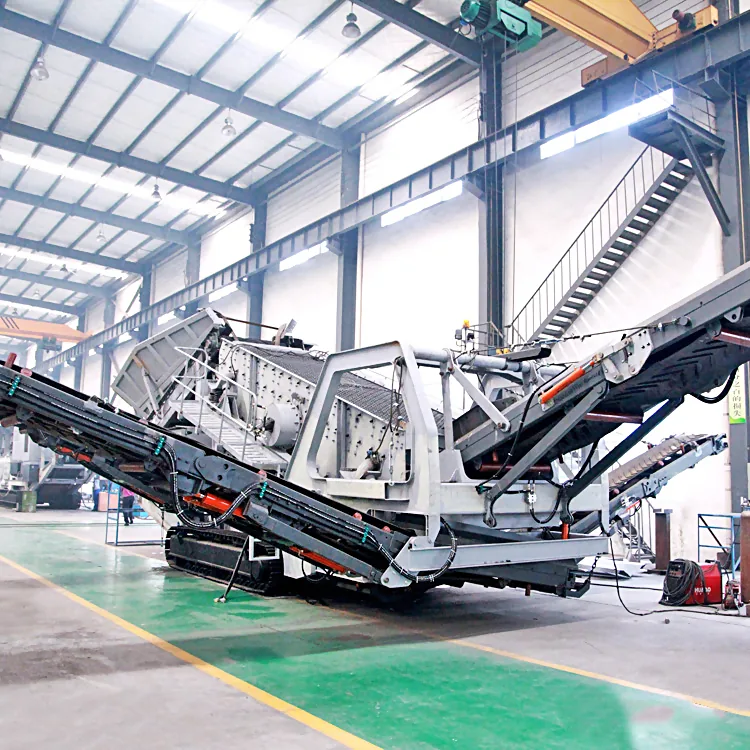
A wheeled portable crushing station is built on a semi-trailer chassis and towed by a tractor truck on public roads — it cannot move under its own power, so it needs reasonably level ground and is positioned once, then left for the duration of the job. A tracked crusher drives itself on crawler tracks, handles rough and sloping ground better and can reposition continuously, but it is considerably more expensive to buy and to transport. Choose the tire type when sites are accessible, relatively flat and moves are occasional; choose tracked when gradient, soft ground or daily repositioning dominate.
In normal ground conditions, no. On a tire type mobile crushing plant the chassis is levelled on hydraulic outriggers that spread the load over steel pads, and the whole machine is designed to be free-standing. A prepared, compacted and roughly level working platform is required. Concrete foundations are only recommended for very soft ground, permanent installations, or where local regulations demand anchoring. This is the principal reason a trailer mobile crushing plant can be producing within a day of arriving.
Folding the conveyors, retracting the outriggers and coupling to a tractor is typically a matter of hours; on the next site, levelling and unfolding takes a similar time. Most operators plan a half-day move plus a short test-run. A fixed line, by contrast, involves weeks of civil works and assembly, and leaves foundations behind when the job ends.
Start from your required tonnage of saleable product, not raw feed, when sizing a wheeled portable crushing station. Then account for the reduction ratio, the proportion of fines you will discard and the availability of the loader feeding the hopper. Published capacities assume medium-hard limestone at continuous choke feed; harder rock, high moisture or a flaky feed will reduce output. Send us your material sample and target fractions and we will size the circuit properly.
Yes — that is the point of the modular chassis. The structural layout is generalised so that the host machine can be swapped while the trailer stays in service. If you need more capacity or a different product shape at a later stage, you replace the crusher rather than the entire wheeled portable crushing station, which protects your original investment.
Diesel generator sets give full independence at remote or grid-free sites and simplify moving between locations. Where reliable mains power exists, electric drive is cheaper to run per tonne and produces no local emissions. Many customers specify an electric motor drive with a generator set kept as backup. Tell us your site conditions and we will configure accordingly.
For a jaw host: fixed and swing jaw plates. For an impact host: blow bars and impact plates. For a cone host: mantle and concave. Add screen mesh panels, conveyor belting, V-belts and hydraulic seal kits across all models. Service life depends heavily on silica content and abrasiveness — quartz-rich granite consumes liners far faster than limestone. We supply a wear-part consumption estimate with every quotation so you can budget cost per tonne.
Sticky, clay-rich feed is the classic cause of blocked chambers and blinded screens. The grizzly-equipped feeder removes a large part of the fines and soil before the crusher, which helps considerably. For persistently wet feed we recommend screening before secondary crushing, larger screen apertures, polyurethane screen media that resists blinding, and in severe cases a washing module. Tell us about the moisture content at quotation stage.
Standard provision on every tire mounted mobile crusher includes sealed conveyor transfer points, rubber skirting and spray nozzles at the hopper, crusher outlet and screen discharge. For urban or regulated sites we can add enclosure panels, a bag-type dust collector and acoustic treatment. Confirming the local particulate and noise limits early lets us build the right package rather than retrofit it.
Transport dimensions for most models fall within normal road limits once the conveyors are folded — width is typically about 2.6–3.2 m and height around 4.5 m. Oversize or escort requirements depend on the destination country's regulations and the specific model. We provide a certified dimensional drawing with every quotation so your logistics provider can confirm permits in advance.
Yes. Cronus manufactures and sells its own equipment and takes responsibility for every trailer mobile crushing plant produced. Wear parts are cast in our own foundry and machined to original drawings, so dimension and metallurgy match the machine you bought. Standard items are stocked and shipped with export packing; we recommend holding a first-year wear-part set on site.
A 12-month warranty applies to the machine (extended terms available by contract), covering manufacturing defects in materials and workmanship; wear parts are consumables and are excluded. Beyond warranty we provide lifetime technical support, spare parts supply, remote diagnosis by video, and optional on-site engineer dispatch for commissioning or major service.
Yes, and an impact host on a tire type mobile crushing plant is usually the right choice for it. Reinforcing bar is separated by an over-belt magnetic separator or by manual picking, and the concrete is crushed into recycled aggregate. Because the tire type mobile crushing plant works on the demolition plot itself, haulage to landfill and purchase of imported fill are both avoided.
With these details our engineers return a complete flow sheet, equipment list, wear-part estimate and budget quotation — normally within one working day.
Tell us what you need to crush and where. Our engineers will come back with a flow sheet, model recommendation and budget price for the right tire type mobile crushing plant — or a full wheeled portable crushing station line if your tonnage requires more than one unit.
Fields marked * are required.
Talk to a process engineer, not a call centre.